
Does your lawn look more like a patchy, sad rug than a vibrant green carpet? You spend hours watering and mowing, but something is still missing. That missing piece is often the right lawn care product. Choosing fertilizers, weed killers, and soil amendments can feel like a confusing maze. Every bag and bottle promises a perfect yard, but which one actually works for your grass type and your soil?
Picking the wrong products wastes money and can even harm your beautiful lawn. You deserve a yard that makes your neighbors jealous, not one that needs constant fixing. This guide cuts through the marketing hype. We will show you exactly what to look for in fertilizers, pest controls, and grass seed.
By the end of this post, you will feel confident choosing the best tools for your lawn’s health. Get ready to transform your yard from dull to dazzling. Let’s dive into the world of effective lawn care products!
Top Lawn Care Products Recommendations
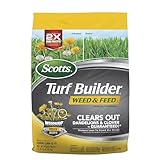


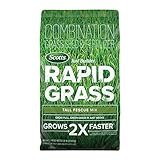


The Essential Lawn Care Product Buying Guide
A beautiful, green lawn takes work. Choosing the right lawn care products makes that work much easier. This guide helps you pick the best items for your yard’s needs.
Key Features to Look For
When shopping, look closely at what the product promises. Different products do different jobs. You need the right tool for the right task.
Fertilizers: The Food for Your Grass
- N-P-K Ratio: These numbers show Nitrogen (N), Phosphorus (P), and Potassium (K). Nitrogen helps green growth. Look for a ratio that matches your grass type and the season.
- Release Speed: Slow-release fertilizers feed your lawn slowly over weeks. Quick-release gives a fast green-up but needs more frequent application.
- Weed and Feed Options: Some fertilizers include weed killers. This saves you a step!
Weed Killers (Herbicides): Stopping Unwanted Guests
- Selective vs. Non-Selective: Selective killers target specific weeds (like dandelions) but leave the grass alone. Non-selective killers kill everything they touch, including your lawn.
- Pre-Emergent vs. Post-Emergent: Pre-emergents stop seeds from sprouting (great for crabgrass prevention). Post-emergents kill weeds that have already grown.
Pest Control: Protecting Your Investment
- Target Pest: Know what bugs you fight (grubs, chinch bugs, etc.). Buy a product made specifically for that pest.
- Safety Data: Always check how long you must wait before letting pets or children back onto the lawn after application.
Important Materials in Lawn Products
The ingredients determine how well the product works and how safe it is.
Understanding Fertilizer Components
Most good fertilizers use synthetic or natural sources for the N-P-K. Organic fertilizers, made from things like manure or bone meal, break down slowly. Synthetic fertilizers often provide faster results. Check if the product lists micronutrients like Iron, which helps deepen the green color.
Active Ingredients in Weed Control
Weed killers contain active chemicals that do the killing. For example, 2,4-D is common in broadleaf weed killers. Read the label to ensure the active ingredient matches the weeds you have. Sometimes, natural options, like corn gluten meal, are used, but these often work best as pre-emergents.
Factors That Improve or Reduce Quality
High quality means better results and fewer headaches. Low quality products waste time and money.
What Boosts Quality?
- Consistency: Granular products that are evenly sized spread better. Liquid concentrates that mix well without clumping are superior.
- Longevity: Slow-release formulas are usually higher quality because they provide sustained feeding, leading to healthier, denser grass over time.
- Ease of Application: Products with built-in spreaders or easy-to-use spray nozzles improve the experience greatly.
What Lowers Quality?
- Poor Solubility: If granular products don’t dissolve or spread evenly, you get stripes of dead grass or missed spots.
- Short Shelf Life: Some organic or biological controls lose effectiveness if stored too long or incorrectly.
- Inaccurate Labeling: If a product claims to kill five different weeds but only kills one, its quality is low. Always trust reviews and known brands.
User Experience and Use Cases
Your lawn’s condition dictates what you buy. Think about how you plan to use the product.
Scenario 1: The New Homeowner (First-Time User)
Use Case: Establishing a basic healthy lawn. Recommendation: Start with a simple, all-in-one “Lawn Starter” fertilizer. These are usually easy to apply and forgiving if you slightly overuse them. Look for ready-to-spray liquids for simplicity.
Scenario 2: The Busy Professional (Time Saver)
Use Case: Maintaining a nice lawn with minimal effort. Recommendation: Choose slow-release granular fertilizers applied with a quality spreader. Combine this with a pre-emergent in early spring to prevent major weeding later.
Scenario 3: The Organic Gardener (Safety Focused)
Use Case: Avoiding harsh chemicals around pets and children. Recommendation: Focus on natural soil amendments, compost, and iron-based weed control. These require more patience but align with eco-friendly goals.
Frequently Asked Questions (FAQ) About Lawn Care Products
Q: How often should I fertilize my lawn?
A: This depends on your grass type and the fertilizer. Most lawns benefit from feeding 3 to 4 times a year, following the schedule for spring, early summer, late summer, and fall.
Q: Can I mix different weed killers together?
A: Generally, no. Mixing chemicals can create dangerous reactions or simply make both products useless. Always follow the label instructions exactly.
Q: When is the best time to use pre-emergent weed killer?
A: Apply pre-emergents in early spring, usually right before the forsythia bushes bloom. This timing stops crabgrass seeds from sprouting.
Q: What is the difference between a liquid and a granular fertilizer?
A: Granular products are dry pellets spread with a spreader. Liquids are mixed with water and sprayed. Liquids often feed faster, but granules usually last longer.
Q: My grass looks yellow. Should I use more fertilizer?
A: Yellowing (chlorosis) often means a lack of nitrogen or iron. Try an iron supplement first, or a quick-release nitrogen boost. Too much fertilizer can burn your grass, making it worse.
Q: Do organic weed killers really work?
A: Yes, but they often work differently. Organic products like vinegar-based sprays burn the top growth quickly. They are less effective at killing the root than chemical options.
Q: Should I water my lawn immediately after applying granular fertilizer?
A: Yes. Watering helps the granules dissolve so the nutrients move down to the grass roots instead of sitting on the blades, which can cause burning.
Q: How do I know if my spreader setting is correct?
A: Check the fertilizer bag. Manufacturers list the recommended spreader settings for popular spreader brands. Always calibrate your spreader before a big job.
Q: Are spot treatments better than broadcasting my treatments?
A: Spot treatments are great for small, isolated problems, like a patch of stubborn weeds. Broadcasting (covering the whole lawn) is better for general feeding or widespread weed prevention.
Q: How long do I wait to mow after applying liquid weed killer?
A: Wait at least 24 to 48 hours after applying most liquid weed killers. This allows the product enough time to be absorbed by the weeds.