
Ever tried to prune a stubborn branch only to have your dull, awkward shears fight you every step of the way? It’s frustrating! Good gardening isn’t just about having a green thumb; it’s also about having the right tools. Choosing the perfect gardening shears, or secateurs, can feel overwhelming. Should you pick anvil, bypass, or maybe something else entirely? The wrong pair can leave your plants damaged and your hands aching after just a few minutes of work.
This guide cuts through the confusion. We will break down the essential types of shears, explain what makes a pair durable and comfortable, and show you how to match the tool to the task in your garden. Stop wasting time and money on the wrong equipment. By the end of this post, you will feel confident picking up any pair of shears, knowing you have the best tool for crisp, clean cuts every single time.
Top Gardening Shears Recommendations
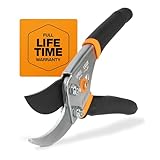


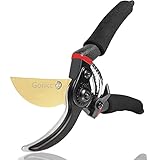
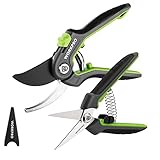
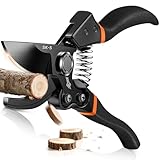


Your Essential Guide to Choosing the Best Gardening Shears
Gardening shears, also called secateurs or pruners, are your most important tool for keeping your garden healthy and beautiful. They help you snip away dead branches, shape bushes, and harvest ripe veggies. Picking the right pair makes your gardening easier and safer.
Key Features to Look For
When you shop for shears, keep these main features in mind:
- **Blade Type:** You will mainly see two types. Bypass pruners have two blades that slide past each other, like scissors. They make clean cuts, perfect for live plants. Anvil pruners have one blade that closes onto a flat surface (the anvil). These work well for cutting dead or thick wood.
- **Cutting Capacity:** Check how big a branch the shears can handle. Small hand pruners usually cut branches up to ¾ inch thick. Bigger jobs need loppers.
- **Ergonomics and Grip:** The handles must fit your hand well. Look for soft, non-slip grips. If you have small hands or arthritis, look for lightweight models or those designed for smaller hands.
- **Locking Mechanism:** A good safety lock keeps the blades closed when you are not using them. This prevents accidental cuts and protects the sharp edge.
Important Materials Matter
The materials used determine how long your shears last and how well they cut.
The best blades are made from high-carbon steel or stainless steel. High-carbon steel holds a very sharp edge longer. Stainless steel resists rust, which is great if you work in damp soil or rain. Cheaper shears often use softer metal, which dulls quickly.
Handle materials vary too. Aluminum handles are light and strong. Plastic or composite handles are often cheaper but might break under heavy pressure. Look for handles that feel sturdy when you squeeze them.
Factors That Improve or Reduce Quality
Quality shears offer a better gardening experience.
What makes shears better? High-quality shears feature blades that are heat-treated. This process makes the metal harder and keeps the edge sharp for many more cuts. Look for blades that are precision-ground; this means the edge is perfectly angled for clean slicing. Also, check if you can easily replace the blades or springs when they wear out. Good brands make replacement parts available.
What lowers the quality? Thin, flexible blades bend when cutting branches slightly too big for the tool. Handles that wiggle or feel loose after just a few uses show poor construction. If the pivot bolt loosens easily, the blades will not line up correctly, which crushes plants instead of cutting them cleanly.
User Experience and Use Cases
Different gardening tasks require different shears.
- **Deadheading Flowers:** For snipping spent blooms off roses or annuals, you need small, lightweight bypass pruners. You want a clean cut so the plant heals fast.
- **Pruning Shrubs and Trees:** If you need to remove thicker limbs (over ½ inch), you should use loppers, which have long handles for extra leverage. For small twigs on hedges, you might use hedge shears.
- **Harvesting:** When picking tomatoes or peppers, use small bypass pruners to avoid tearing the vine.
Always clean your shears after use. Wipe down the blades and oil them lightly, especially if you cut diseased wood. This simple step keeps your investment sharp and prevents spreading germs in your garden.
10 Frequently Asked Questions (FAQ) About Gardening Shears
Q: What is the difference between bypass and anvil pruners?
A: Bypass pruners work like scissors, making a clean cut best for living wood. Anvil pruners have one blade that hits a flat base; these are better for cutting dead, hard branches.
Q: How often should I sharpen my gardening shears?
A: You should sharpen them at least once per season, or whenever you notice the cuts start tearing the wood instead of slicing smoothly.
Q: Can I use the same shears for roses and herbs?
A: While you can, it is best not to. Always clean and disinfect your shears after cutting diseased material, like pruning sick roses, before using them on edible herbs.
Q: What is the best grip size for my hand?
A: The best grip lets you close the handles completely without squeezing too hard. Many quality brands offer small, medium, and large models.
Q: Are expensive shears really worth the money?
A: Often, yes. Expensive shears usually use better steel that stays sharper longer, and they have stronger construction that lasts for many years.
Q: How do I prevent my shears from rusting?
A: Wipe the blades dry after every use. Store them indoors, and apply a light coat of mineral oil or specialized tool oil to the metal surfaces periodically.
Q: What tool should I use for branches thicker than one inch?
A: You need loppers for branches thicker than one inch. Shears meant for hands cannot provide enough leverage and you risk breaking the tool.
Q: Do I need a safety lock on my pruners?
A: Yes, a safety lock is very important. It protects you from accidentally cutting yourself when the tool is in your pocket or tool bag.
Q: What does “bypass cutting capacity” mean?
A: This is the maximum thickness of a live branch that the bypass blades can cut cleanly without getting stuck or damaging the plant.
Q: Can I use these shears to cut wire?
A: No. Gardening shears are designed for plant material. Cutting wire dulls the blades instantly and can damage the pivot point.