
Do you dream of rows of perfectly spaced vegetables, but dread the tedious work of planting tiny seeds one by one? Many gardeners spend hours bent over the soil, struggling to get seeds in the ground at the right depth and distance. This uneven planting leads to wasted space, tangled growth, and frustratingly sparse harvests later on. Choosing the right garden seeder can feel overwhelming; there are push models, pull-behind versions, and tiny handheld tools, all promising easier planting.
But what if you could plant your entire garden in a fraction of the time, ensuring every seed lands exactly where it should? This guide cuts through the confusion. We will break down the different types of garden seeders available, explaining exactly what each one does best. By the end of this post, you will know which seeder perfectly matches your garden size and your planting goals, turning that back-breaking chore into a quick, satisfying task.
Top Garden Seeders Recommendations


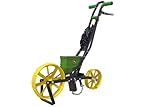

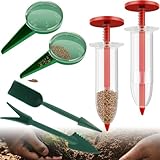


Choosing Your Perfect Garden Seeder: A Buyer’s Guide
Planting seeds by hand can be slow and uneven. A garden seeder makes planting faster and helps your seeds grow better. This guide will help you pick the right tool for your garden.
Key Features to Look For
When you shop for a garden seeder, several features make a big difference in how well it works for you.
Seed Spacing Control
- Adjustable Spacing: Good seeders let you change how far apart the seeds drop. This is important because different vegetables need different space to grow big.
- Depth Adjustment: You must plant seeds at the right depth. Look for a tool that easily changes how deep the furrow (the little trench for the seed) is cut.
Row Markers
- These tools draw a straight line in the soil before you plant. Straight rows make weeding much easier later on. Some models have built-in, adjustable markers.
Seed Hopper Capacity
- The hopper holds your seeds. If you have a large garden, choose a seeder with a bigger hopper so you do not have to stop and refill it often.
Important Materials and Durability
The materials used in a seeder affect how long it lasts and how much it weighs.
Frame Material
- Steel: Steel frames are very strong and durable. They handle rough garden soil well. They are usually heavier, which can help push the planting mechanism into hard ground.
- Plastic/Aluminum: These are lighter and resist rust. They are great for small gardens or for gardeners who cannot lift heavy tools. Check the thickness of the plastic; thin plastic breaks easily.
Ground Engaging Parts
- The parts that touch the soil—like the furrow openers and closing wheels—should be made of strong metal. These parts wear out the fastest. Hardened steel lasts the longest.
Factors That Improve or Reduce Quality
A high-quality seeder performs well in various soil types. Poorly designed seeders struggle when the ground is too wet or too dry.
Ease of Cleaning
- Seeds and dirt often get stuck. Seeders with simple designs and easily removable hoppers are much easier to clean. A clean seeder works better next season.
Seed Compatibility
- Some seeders use interchangeable plates or discs for different seed sizes (like tiny carrot seeds versus large bean seeds). A good seeder comes with several plates or has an easy way to buy new ones. If the mechanism cannot handle the seed size, planting will be messy.
Assembly and Maintenance
- Simple assembly means you start gardening sooner. Look for models that require minimal tools for adjustments or maintenance.
User Experience and Use Cases
Think about where and how you garden when making your choice.
Garden Size
- Small Gardens/Raised Beds: A simple, push-style hand seeder is often best. They are lightweight and easy to store.
- Large Vegetable Plots: You might need a tow-behind seeder that attaches to a lawn tractor or tiller. These cover ground very quickly.
Soil Condition
- If you often garden in compacted or rocky soil, choose a heavy-duty model with strong furrow openers. These models cut through tough ground better. For soft, well-tilled soil, a lighter model works fine.
A good garden seeder saves your back and ensures your garden starts strong. Choose the features that match your garden size and the type of soil you work with.
Garden Seeder FAQs
Q: What is the main difference between a walk-behind seeder and a tow-behind seeder?
A: A walk-behind seeder is pushed by hand, just like a lawnmower. It is best for small to medium gardens. A tow-behind seeder hitches onto a riding mower or tiller. This type is for very large areas because it plants much faster.
Q: How often should I clean my garden seeder?
A: You should clean the seed hopper and planting discs after every use. Leftover seeds can absorb moisture and swell, which clogs the machine for the next time you use it.
Q: Can one seeder plant all types of seeds?
A: Not usually. Most seeders use different seed plates or discs for different sizes of seeds. You need the correct plate for small seeds, like lettuce, and another plate for larger seeds, like peas.
Q: What does “furrow opener” mean?
A: The furrow opener is the part of the seeder that digs a small trench, or furrow, in the soil. This trench is where the seeds fall. Its shape affects how deep the seeds are planted.
Q: Do I need row markers if I am planting in a square foot garden?
A: Row markers are less important for square foot gardening because you plant in a grid, not long rows. However, a small seeder can still help you place seeds evenly within those small squares.
Q: What material is best for closing wheels?
A: Rubber or light metal closing wheels are common. Rubber wheels gently push the soil back over the seed, which works well in loose soil. Sturdy metal wheels are better for packing the soil firmly over the seed in dry or hard ground.
Q: How does the seeder ensure seeds are evenly spaced?
A: The seeder has a mechanism, often a wheel with small openings, that drops one seed every time the wheel turns a certain amount. The size of the opening and the speed of the wheel determine the spacing.
Q: Should I wait for the soil to be perfectly dry before using my seeder?
A: No, the soil should not be dusty dry, nor should it be muddy. The ideal soil is slightly damp—it should clump when squeezed but crumble easily when poked. Planting in very wet soil gums up the machine and compacts the soil too much.
Q: Are expensive seeders worth the extra money?
A: Often, yes. More expensive models use higher-quality materials, like machined metal parts instead of plastic. This means they maintain accurate seed spacing longer and last many more years.
Q: What is the purpose of an insecticide or fertilizer attachment?
A: Some advanced seeders allow you to add a small hopper for granular fertilizer or pest control material. This lets you apply the necessary nutrients or protection right next to the seed as you plant, saving you a second trip over the garden later.