
Ever stared at a thick, stubborn branch, wishing you had a tool that could slice through it like butter? That’s where garden loppers come in. These powerful shears are essential for tackling woody growth that your regular pruners just can’t handle. But step into any garden store, and you face a wall of choices: long handles, short handles, anvil, bypass—it’s enough to make your head spin!
Choosing the wrong loppers means sore arms, messy cuts that harm your plants, and wasted money. You need the right tool for the job, whether you’re shaping a small shrub or clearing heavy brush. This guide cuts through the confusion. We explain exactly what makes a good lopper tick, detailing the key features you must look for.
By the end of this post, you will know precisely which type of lopper fits your garden needs and budget. Get ready to say goodbye to tough trimming troubles and hello to clean, effortless cuts. Let’s dive in and find your perfect pruning partner!
Top Garden Loppers Recommendations


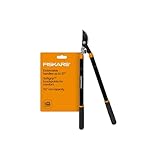


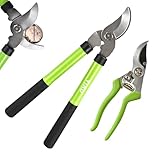
Choosing the Right Garden Loppers: A Buyer’s Guide
Garden loppers are essential tools for any gardener. They help you cut thick branches that hand pruners cannot handle. Choosing the right pair makes your yard work much easier and safer. This guide will help you pick the perfect loppers for your needs.
Key Features to Look For
Several features determine how well loppers work. Look closely at these points before you buy.
1. Cutting Capacity (Maximum Branch Size)
- This tells you the biggest branch the loppers can cut cleanly.
- Small loppers might handle 1.5 inches. Large ones can tackle 2 inches or more.
- Match this to the typical thickness of branches in your garden.
2. Cut Type: Bypass vs. Anvil
- Bypass Loppers: These work like scissors. Two blades slide past each other. They make clean cuts on live, green wood. This is usually the best choice for healthy plants.
- Anvil Loppers: These have one sharp blade that cuts down onto a flat surface (the anvil). They crush the wood slightly. They work well for cutting dead or very hard wood.
3. Handle Length and Adjustability
- Longer handles give you more leverage, making tough cuts easier.
- Some loppers have telescoping handles. This lets you adjust the length for different heights and storage needs.
Important Materials Matter
The materials used in loppers directly affect how long they last and how sharp they stay.
Blades
- High-Carbon Steel: This is the best material for blades. It holds a sharp edge longer and resists dulling quickly.
- Chrome Plating: Sometimes, blades have a coating. This coating helps prevent rust and makes the cutting action smoother.
Handles
- Steel or Aluminum: These metals are strong. Aluminum is lighter, which reduces arm fatigue during long jobs.
- Fiberglass: Fiberglass handles are very strong and do not conduct electricity, making them a safer choice if you work near power lines (though caution is always needed).
- Grips: Look for comfortable, non-slip grips. Rubber or foam grips reduce vibration and prevent your hands from slipping when they get sweaty.
Factors That Improve or Reduce Quality
Quality differences show up in the construction and maintenance features.
Improving Quality:
- Smooth Pivot Points: The joint where the handles meet should move smoothly without wobbling. A sturdy pivot ensures power transfers correctly to the blades.
- Replaceable Parts: High-quality loppers often allow you to replace dull blades or worn springs easily.
Reducing Quality:
- Weak Springs: If the spring that opens the blades is weak, you will have to manually pull the handles apart after every cut. Strong springs save time.
- Plastic Components: Excessive use of plastic, especially near the cutting head, usually means the tool will break sooner under heavy use.
User Experience and Use Cases
Think about how you plan to use your loppers.
For Heavy Pruning:
If you often tackle thick, established limbs, you need loppers with long handles (around 30 inches or more) and high cutting capacity. Bypass loppers are usually preferred here for clean cuts on living trees.
For General Yard Cleanup:
If you mostly trim smaller branches and suckers, a shorter, lighter pair (24 inches) might be enough. These are easier to maneuver around tight bushes.
Ergonomics are Key:
Test the weight. If the loppers feel too heavy when holding them out in front of you, they will cause strain. Always choose a tool that fits your strength level.
Garden Lopper FAQ
Q: What is the main difference between loppers and pruning shears?
A: Pruning shears (or secateurs) are for small branches, usually under half an inch thick. Loppers are for much thicker branches, typically over one inch.
Q: Should I oil my loppers?
A: Yes. You should lightly oil the pivot points and the blades occasionally. This keeps the metal moving freely and prevents rust from building up.
Q: How often do I need to sharpen lopper blades?
A: Sharpen them once a year if you use them often. If you notice the cuts becoming ragged instead of clean, it is time to sharpen them immediately.
Q: Can I use anvil loppers on rose bushes?
A: You can, but bypass loppers are better for roses. Bypass loppers give a cleaner cut that helps the plant heal faster than the crushing action of an anvil lopper.
Q: What does “leverage” mean when buying loppers?
A: Leverage is the mechanical advantage you get from the long handles. More leverage means you need to push less hard to cut a thick branch.
Q: Are curved handles better than straight handles?
A: Curved handles often fit the natural arc of your arm better, which can feel more comfortable during repeated cutting actions.
Q: What is the best way to store my loppers?
A: Store them dry and closed. Many loppers have a latch or hook to keep the handles together. Keep them hanging in a shed or garage, away from damp areas.
Q: How do I clean sap off the blades?
A: Wipe the blades down with a cloth dampened with mineral spirits or rubbing alcohol after use. This removes sticky sap and keeps the cutting surface ready for the next job.
Q: Is a lightweight lopper always the best choice?
A: Not always. While lightweight aluminum is great for comfort, sometimes a heavier steel tool provides the necessary weight to help push through dense, tough wood.
Q: Do I need different loppers for cutting dead wood versus live wood?
A: Bypass loppers are ideal for live wood because they promote faster healing. Anvil loppers handle dead, brittle wood very well because they don’t slip as easily.